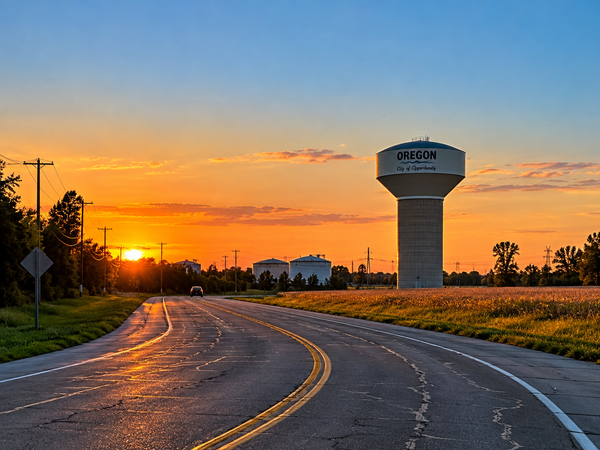
Oregon's Data Center: Where Things Stand Before November

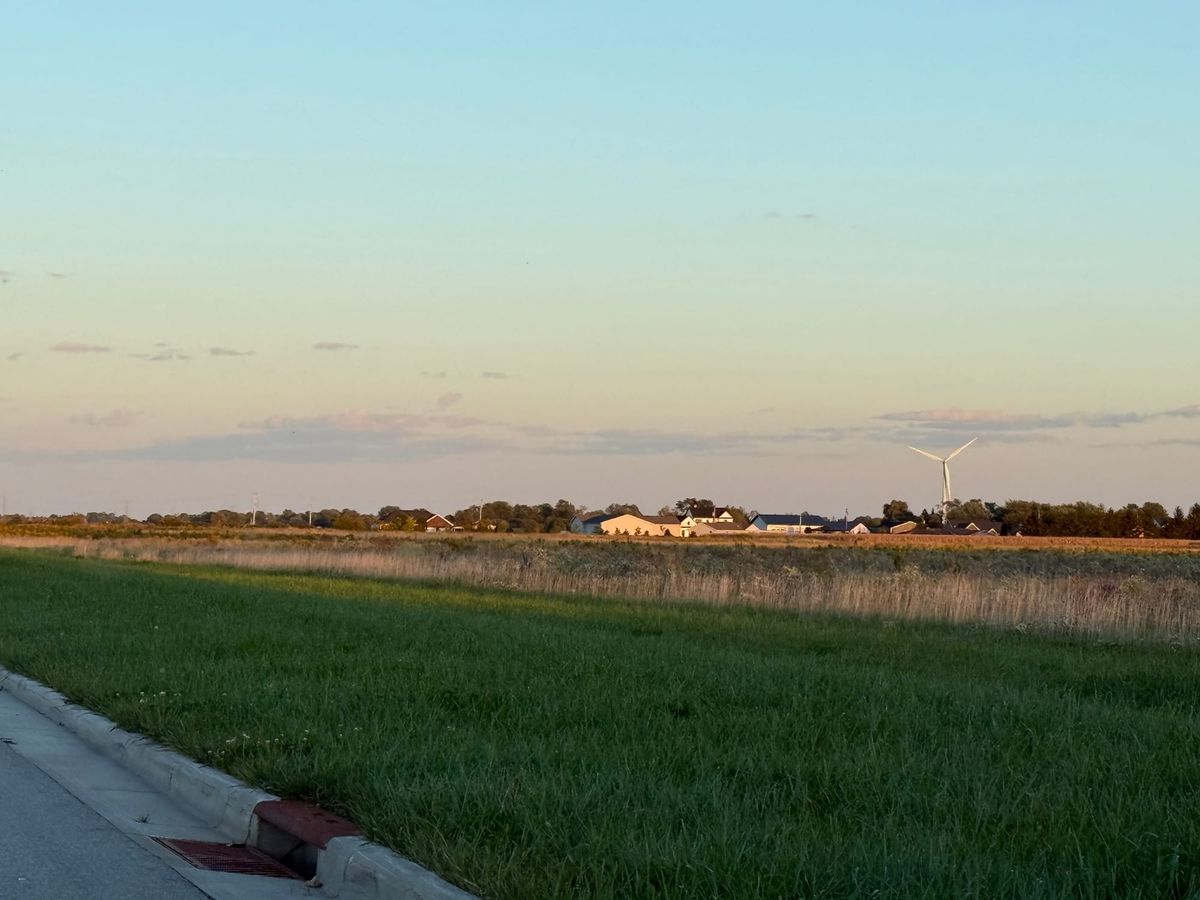
For nearly two years, a proposed data center in Oregon’s industrial park has moved through public meetings, land agreements and negotiations.
Now, voters are about to have their say.
On Nov. 3, Oregon voters will consider a proposed charter amendment that would prohibit new data centers with an aggregate monthly demand or peak load greater than 25 megawatts. Similar measures are appearing on ballots in several Ohio communities this fall, according to the Ohio Capital Journal.
The Oregon proposal currently being discussed would be much larger than that limit.
What is being proposed?
Vantage Data Centers has proposed a campus on approximately 214 acres at 4701 Corduroy Road, near Corduroy and Wynn roads.
According to information presented at a Sept. 28 Oregon City Council Economic Development and Planning Committee meeting, the campus could ultimately include two or three data center buildings with a combined capacity of up to 316.8 megawatts.
The first building would have a capacity of approximately 57.6 megawatts and represent an initial investment of about $1.1 billion, according to The Blade's report on the Sept. 28 meeting.
That means even the first proposed building would exceed the 25-megawatt limit voters will consider in November.
What happened Sept. 28?
The meeting provided some of the most detailed information about the project released to date, including details of a draft economic development agreement between Vantage and the City.
It also produced an important development.
Mayor Steven Salander said he would not authorize the submission of permits or bring additional legislation concerning the project before City Council prior to the Nov. 3 election.
“We have a duty to our citizens to give them an opportunity for their voices to be heard,” Salander said during the meeting.
In practical terms, the project is now waiting on the voters.
What could Oregon receive?
The draft agreement calls for a 15-year, 100 percent property-tax exemption on qualifying improvements associated with the project.
In place of those taxes, Vantage would make annual payments equal to 93 percent of the otherwise applicable taxes, or $14 million, whichever is less. Those payments would be divided between the City of Oregon and Oregon City Schools, according to The Blade.
Those numbers are significant, but so is the word draft.
The agreement has not yet received the final City Council approvals necessary for the project to proceed. The City has previously identified approval of the economic development agreement and related Community Reinvestment Area legislation among the remaining legislative steps. The City's earlier description of the project and its remaining steps can be found through the Oregon Economic Development Foundation.
What about jobs?
Vantage projects at least 1,500 construction workers for each building.
Once operating, the first data center is expected to employ approximately 30 Vantage employees, with another five to 10 customer employees. The company also anticipates about 100 contractors. Later buildings would add additional employees.
The contrast between a large construction workforce, substantial investment and a relatively small permanent workforce is one of several aspects of the proposal worth examining more closely.
What happens next?
For now, Nov. 3 is the key date.
If the proposed charter amendment passes, its 25-megawatt limit would prevent the Vantage project from proceeding in its currently proposed form.
If it fails, that does not automatically mean the data center gets built. Additional agreements, approvals and permitting would still remain.
And there are plenty of questions left to explore.
What would the proposed financial agreement actually mean for Oregon City Schools and the City? How much electricity would the campus require? What do the project's plans for water use, noise and nearby homes actually mean in practice? How does Oregon’s proposed deal compare with communities that already have large data centers?
Those questions deserve more than quick answers.
Oregon on the Bay will be taking them one at a time.