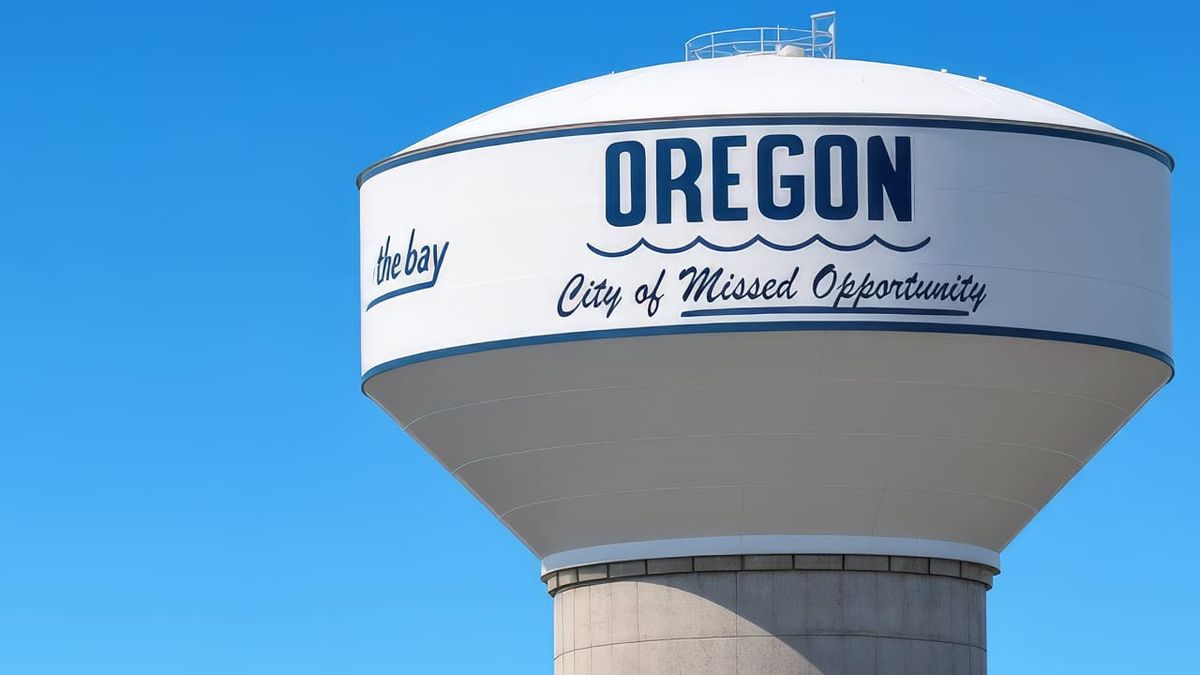
Oregon: City of Missed Opportunity?
Oregon faces a consequential decision about its future. But as the debate intensifies, one question deserves more attention: What should residents expect from their elected leaders?

When difficult decisions divide a community, leadership matters most.
From the Editor | Opinion
Will we be asking ourselves that question on November 4?
Oregon hasn't missed its opportunity. Not yet.
But with a consequential election approaching and our community increasingly divided over the proposed Vantage data center, it's worth asking whether we're doing everything we can to make an informed decision about our future.
There's a difference between making people happy and leading them.
Leadership can be difficult, uncomfortable, and sometimes lonely. It means making decisions that disappoint good people, explaining difficult truths, and accepting responsibility when others disagree.
But that's the responsibility elected officials ask for when they run for office.
And right now, Oregon needs that kind of leadership.
At Monday night's City Council meeting, residents expressed concerns about the proposed Vantage data center. City employees defended years of work. Council members discussed financial pressures, environmental safeguards, and the consequences of potentially losing a major economic-development opportunity.
And when Mayor Steven Salander delivered his formal report, he reminded residents about a fire department open house, a police blood drive, and the Cleveland Guardians.
All worthwhile subjects. And for the record, Go Guards!
But what the mayor chose to discuss was considerably less important than what he left unsaid.
After an evening of difficult questions about Oregon's future, the mayor offered no comparable explanation of his own position or the direction he believes the city should take.
We're not suggesting he hasn't worked on this issue behind the scenes. We're asking why residents aren't hearing more directly from the person elected to lead their city.
The opportunity is real. So are the responsibilities.
For nearly two years, Oregon has pursued a major industrial development that could bring substantial revenue to the city and its schools.
The proposed data center didn't suddenly appear. There have been public meetings, land purchases, zoning decisions, negotiations, and opportunities for residents to examine the project.
Legitimate questions remain about noise, environmental protections, and whether the financial agreements will deliver what is being discussed.
But Oregon's financial responsibilities aren't going away.
Our firefighters need funding. Our police department needs resources. Our infrastructure requires maintenance. And our schools face financial pressures of their own.
For generations, Oregon has lived alongside refineries, power plants, factories, and rail yards. We know what it means to be an industrial community.
Now we have an opportunity to negotiate significant benefits from another industrial development.
The question isn't whether the proposal is perfect. It's whether Oregon can make this opportunity work for us.
Listening is not enough
Monday's meeting also illustrated the importance of helping residents understand what is being proposed.
One speaker questioned why the city had spent $18 million purchasing the industrial park property.
But the city's own published information distinguishes approximately $8 million in land acquisition costs from a proposed $18 million sale price.
That wasn't a disagreement over policy. It was a misunderstanding of a basic fact.
The correction eventually came from another resident during public comment.
Why should that responsibility fall to someone using their limited time at the microphone?
A brief, respectful clarification from city leadership could have helped everyone listening.
This is about more than one question at one meeting.
Making information available and making information understandable are two different responsibilities.
Residents deserve both.
Mayor Salander, this is your moment
Martin Luther King Jr. once said:
“Ultimately a genuine leader is not a searcher for consensus, but a molder of consensus.”
King understood something fundamental about leadership. It isn't simply discovering what people want to hear and repeating it back to them. It's having the conviction to explain what you believe is right, even when that position is unpopular.
There's a difference between being a referee and being a leader.
A referee keeps the game moving. A leader helps determine where the team is going.
Oregon doesn't need its mayor to referee an endless argument about a data center. It needs him to lead.
That doesn't mean Mayor Salander must support the development.
If he believes it's wrong for Oregon, he should say so and explain why.
If he believes it represents an important opportunity, he should make that case, acknowledge the risks, and explain the protections he believes are necessary.
Either position deserves consideration.
What residents shouldn't have to do is guess.
Mayor Salander ran for this responsibility. He asked Oregon residents to trust him with it.
And leadership is what they have every right to expect in return.
November 3 isn't the finish line
The proposed development could provide substantial resources for public services and schools. The potential benefits are significant, but the agreements aren't final, and the revenue isn't guaranteed.
If Oregon turns away from this opportunity, the city's responsibilities will remain. Alternatives may exist, but they will require their own difficult decisions.
On November 3, voters will make their choice.
But Oregon's financial responsibilities won't disappear on November 4.
Neither will the need for leadership.
Let's not become a city that spends years discussing its opportunities, only to discover that the hardest decisions were the ones we refused to make.
Your voice matters.
Whether you support the proposed data center, oppose it, or are still weighing the facts, your elected officials should hear from you. Ask questions, share your concerns, and expect thoughtful answers.
If this editorial made you think, consider sharing it with a neighbor. Oregon's future deserves a conversation that reaches beyond the council chambers.
Editor's note: This editorial begins an occasional Oregon on the Bay series, “What Should We Expect From Our Leaders?” Future articles will examine public accountability, communication, and the difficult decisions facing our community.